-
AI
- Agentic AI Platform
- AI Security Platform
Agentic AI PlatformAutonomous Security Powered by ‘ONE’, Next-Generation Agentic AI Lineup with Unparalleled Technology

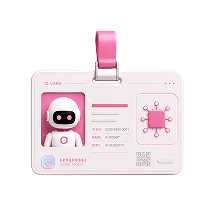
AI Agent Identity
Identity, Authority & Accountability Management for AI Agents & Robots
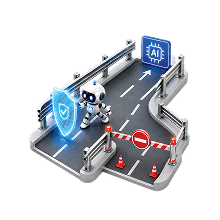
AI Safe Guardrails
AI-powered Security Controls for Inputs, Outputs & Actions
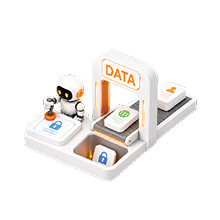
AI Data Labeler
AI-driven Data Classification & Policy Management for Training Data

AI Autonomous Security
AI-powered Security Operations with
Natural Language & Autonomous Response
AI-Integrated Authentication
Platform with MFA (FIDO/Passkey)
AI-Based Mobile Device
Management Platform (MDM/MAM)

AI Pentester
AI Ethical Hacker for Penetration Testing & Vulnerability Validation
AI Security PlatformEstablish a Trusted AI Security and Authentication Environment with ‘TouchEn’, Korea’s No.1 Mobile Security Solution Trusted by 1,000+ Customers

AI-Integrated Identity & Access
Management Platform (SSO/EAM/IM)
AI-Based Mobile Antivirus
Solution
AI-Based App Tampering &
Forgery Protection Solution
Mobile Screen Capture
Prevention Solution
Mobile Web Digital Signature
Solution
AI-Based Online Firewall &
Antivirus Solution
AI-Based Web Content
Leakage Prevention Solution
Keyboard Security Solution
-
Web3
- Web3 & Blockchain
Platform
Web3 & Blockchain PlatformEstablish the Most Secure and Convenient DID Platform with ‘OmniOne’, Korea’s National Mobile ID Solution Powered by FIDO and Blockchain Technology
- Web3 & Blockchain
-
Quantum
- Quantum Platform
Quantum PlatformBuild a Quantum-Secure Environment with ‘Key#’ and ‘TouchEn’, Trusted Through KCMVP Certification and Government Pilot Projects
-
Service
- Whitehat Service
- XR & B2C Service
Whitehat ServiceDeliver Comprehensive Security Consulting Services with World-Class White Hat Hacking Expertise Proven by DEFCON Championship, Effectively Addressing Security Vulnerabilities
XR & B2C ServiceEveryday security and authentication services for AI & XR training, identity verification, certificates, safe numbers, and anti-phishing

AI-Powered XR Training Platform

Secure USIM Certificate
Storage Service Protected
Against Hacking
Cloud-Based Certificate
Storage Service for Convenient Access
Anytime, Anywhere
Mobile Digital Signature
Service
USIM-Based Identity
Verification Service
Virtual Number Calling Service
for Caller and Receiver Privacy
Two-Channel ARS
Authentication for Personal
Data Protection
Voice Phishing Fraud Prevention
& Blocking Service
-
Reference
- Industries
Industries -
About Us
- About Us
- PR
- Careers















-

- KOR
- JPN



FAMILY SITE
ENG
- KOR
- JPN





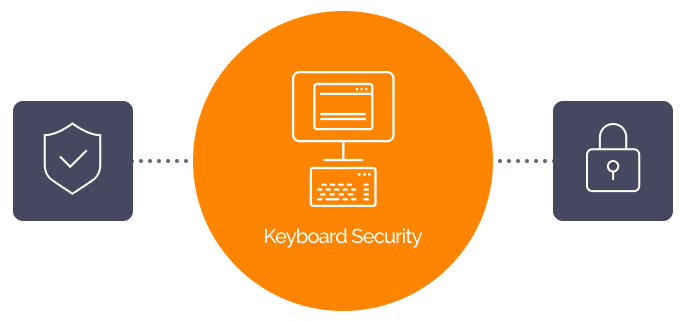
Keyboard Security


As contactless activities became normal in the post-COVID-19 era, the significance of internet and PC security gets highlighted again. While both service providers and users input numerous personal and sensitive information online, there are still security threats such as memory hacking and keylogging attacks to steal such data. Accordingly, government authorities and relevant institutions introduced enhanced rules and regulations, and guidelines related to information security to avoid any loss of corporate assets and personal information. Companies should take necessary security measures to be in full compliance and promote the safety and efficiency of entire business operations.


- About Us
- Solution
-
Platforms
-
Mobile Security
-
PC Security
-
Services
- References
-
Specialized Solutions by Category
-
Case Studies by Sector
- PR Center
- Careers
-
CEO & PresidentLee Soon-hyung·Lee Junga
© RaonSecure. All rights reserved.
Business license number138-81-16484 TEL+82-2-561-4545 FAX+82-2-565-5350
Contactoverseasbiz@raon.com
Head office47-48F Parc1 Tower 2, 108 Yeoui-daero, Yeongdeungpo-gu, Seoul, Korea Privacy Policy -
FAMILY SITE